
FESTIVAL VR

VR and Film: When the Story Surrounds You

Cinema has had the same basic grammar for over a hundred years. A frame. A cut. A director’s eye deciding what you see and when. It is a language so familiar we have stopped noticing it. VR breaks that language completely — and filmmakers are only beginning to understand what that means.

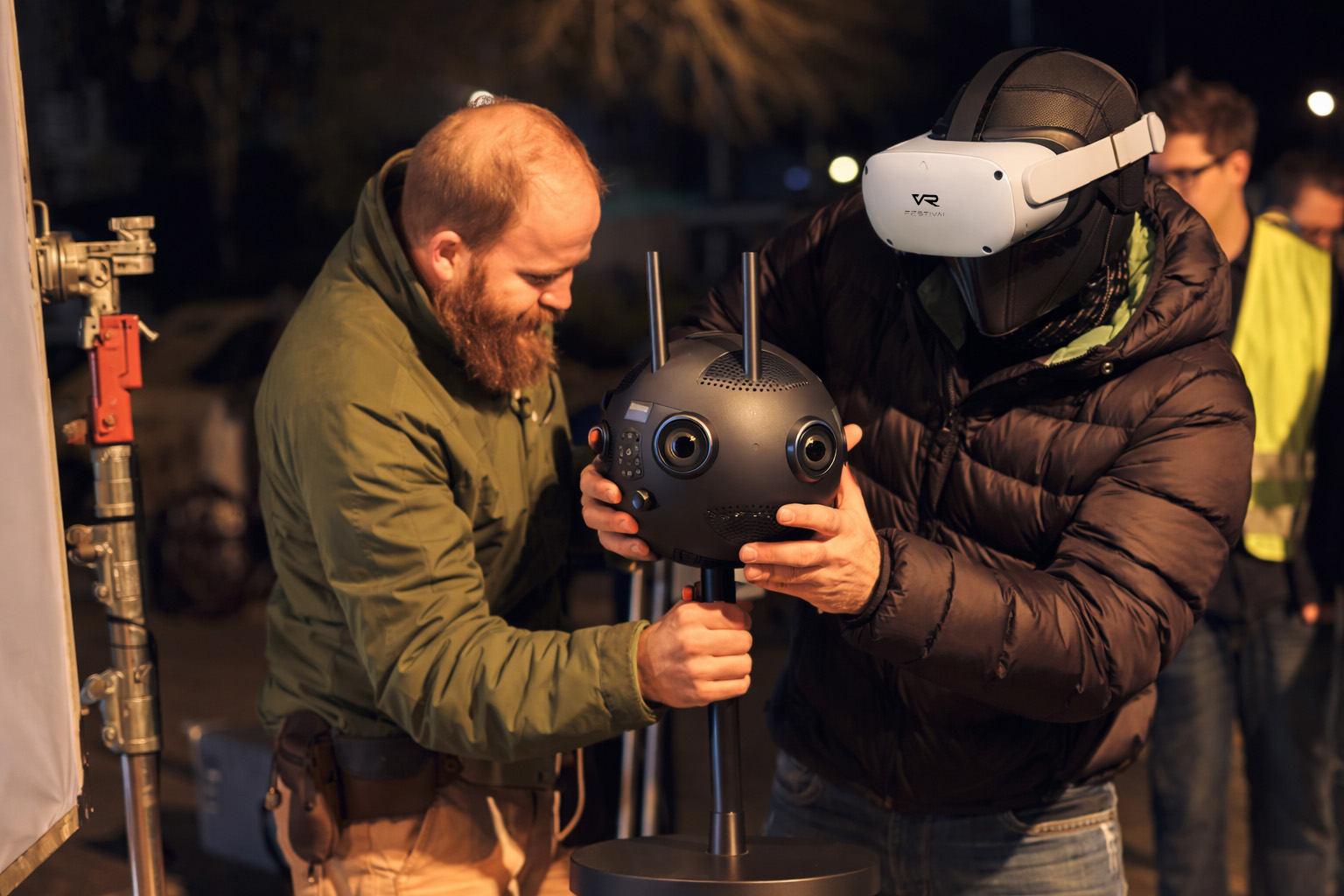
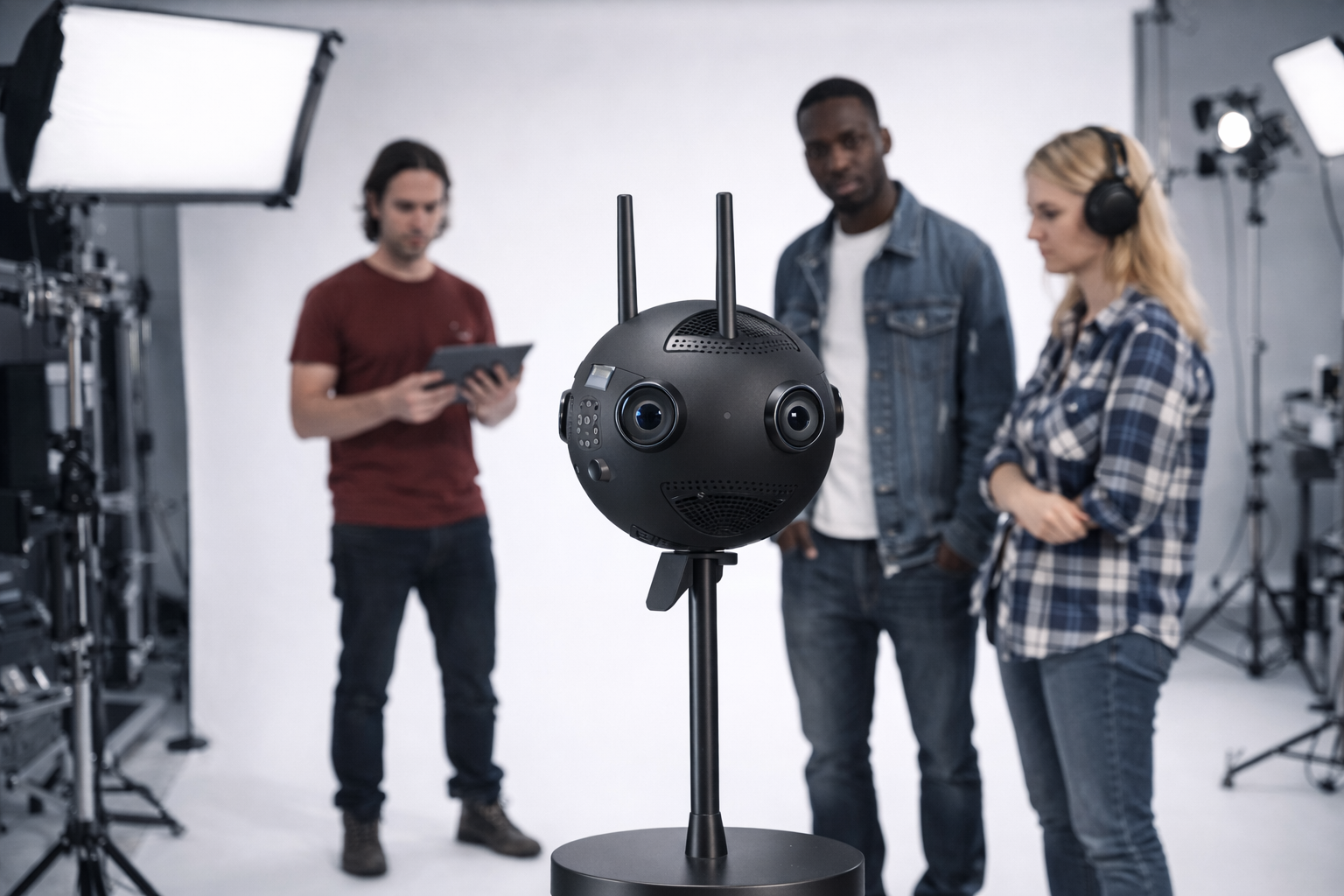
In a traditional film, the story happens in front of you. In VR, the story happens around you. That single shift changes everything. There is no frame to hide behind, no edit to skip past an awkward moment, no close-up to tell you where to look. The viewer becomes a presence inside the story — a witness, a participant, sometimes almost a character. Directors who have spent decades mastering the cut suddenly find themselves working without their most powerful tool.

“In cinema I control your eyes. In VR I can only control the world. What you choose to look at — that’s yours.”

Some filmmakers find this terrifying. Others find it liberating. The most interesting ones find it both. A new generation of storytellers is emerging — people who think less about scenes and more about spaces, less about plot and more about atmosphere, less about what happens and more about what it feels like to be there when it happens.

Documentary filmmakers have perhaps embraced VR most quickly. Placing a viewer inside a refugee camp, on the edge of a melting glacier, or in the middle of a protest changes the experience of witnessing in a way that a flat screen simply cannot replicate. Empathy, it turns out, has a spatial dimension.

Fiction is slower to adapt — but the experiments happening right now are extraordinary. Stories told across multiple rooms. Narratives that change depending on where you stand. Characters who notice you, speak to you, wait for you. Cinema is not dying. It is splitting into something new, and we are lucky enough to be watching it happen.

Post a Comment

Your email address will not be published. Required fields are marked *